
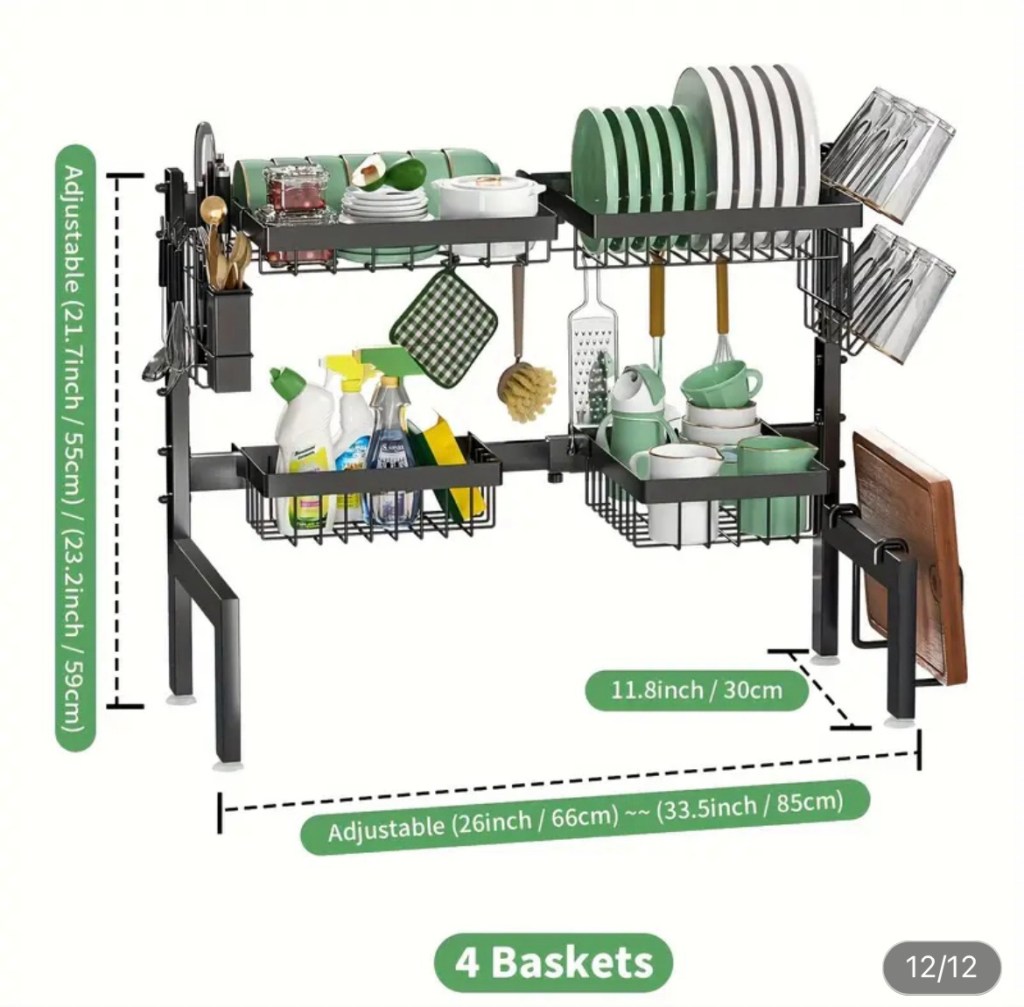
Dish racks. They seem like a small part of your kitchen routine, right? But if you’ve ever found yourself battling a cluttered countertop, wiping up puddles of water after drying dishes, or simply wishing for more space, then you know: choosing the right dish rack *matters*. And if you’ve ever wondered, “Is there a better way to do this?” you’re in the right place.
In today’s post, we’re going to break down the ultimate dish rack showdown: **Over-Sink Dish Drying Racks vs. Traditional Countertop Racks**. Both have their merits, but if you’re looking to reclaim precious counter space, cut down on kitchen chaos, and add a touch of sleek organization, one of these options clearly stands out.
We’ll dive deep into the benefits, the differences, and help you decide which one is right for your kitchen. Ready to discover why the over-sink dish drying rack might just be the game-changer your kitchen needs? Let’s get started!
—
1. The Problem with Traditional Countertop Dish Racks
Before we dive into why over-sink dish drying racks are an upgrade, let’s take a moment to look at the familiar countertop dish rack. You know the one—sitting there, eating up precious counter space, leaving behind wet spots, and inevitably turning your kitchen into a cluttered mess.
A. Takes Up Valuable Counter Space
Counter space is like prime real estate in the kitchen, especially if you’re working with a smaller space. Traditional countertop dish racks take up a considerable chunk of that space. It’s one thing to have a large kitchen, but for those of us with smaller kitchens (or no kitchen island!), the struggle to find room for meal prep becomes *very real* when half the counter is dedicated to drying dishes.
B. Constant Cleanup of Water Puddles**
Countertop dish racks aren’t exactly kind to your countertops. Even the best ones tend to leave behind water spots and puddles that you’ll constantly need to wipe up. It’s a simple annoyance, but over time, it starts to feel like a constant battle to keep your kitchen clean. What starts as drying dishes ends with wiping counters *again*.
Pro Tip: Most countertop racks use plastic trays or mats to catch water. These trays often need to be cleaned separately, adding another step to your already-busy routine.
2. Over-Sink Dish Drying Racks: The Space-Saving Hero Your Kitchen Deserves
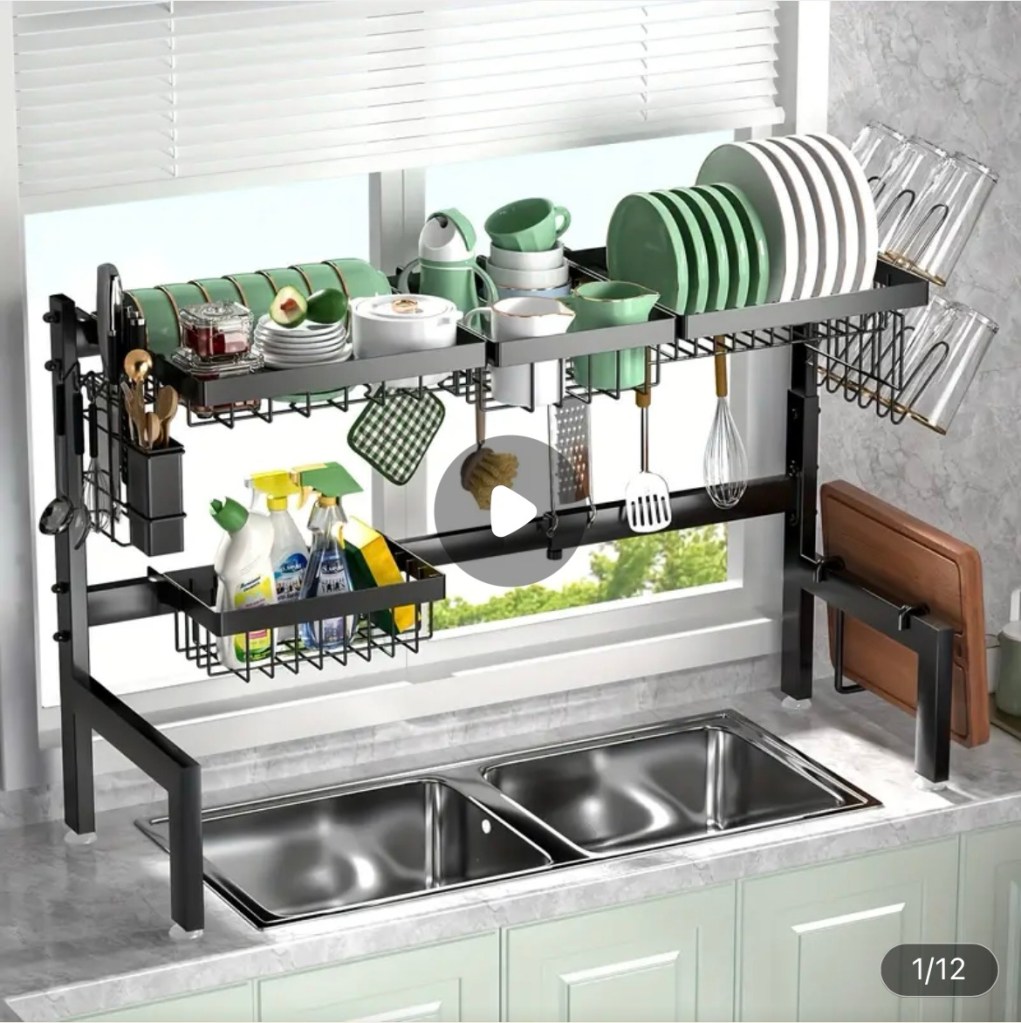
Now, let’s talk about the over-sink dish drying rack. This sleek solution places the dish drying area directly over your sink, instantly freeing up counter space and solving a lot of the common issues that come with traditional dish racks. Why hasn’t everyone switched to this sooner?
A. Reclaim Your Counter Space
The biggest advantage of an over-sink dish drying rack is the way it completely frees up your countertops. Instead of competing with your cutting boards, coffee maker, and mixing bowls for counter space, the over-sink rack shifts all your drying needs to the sink. You can finally have a clutter-free countertop that looks cleaner and feels bigger—no matter the size of your kitchen.
B. Drip Directly into the Sink
This is one of the simplest, yet most powerful benefits: water drips directly into the sink. No more wiping up spills or dealing with soggy dish towels. The over-sink design ensures that water from freshly washed dishes drains straight where it belongs, making cleanup a breeze.
Fun Fact: By eliminating the need for a water-collecting tray, over-sink racks also prevent the build-up of mildew or grime that often accumulates with traditional countertop racks.
—
3. A Detailed Comparison: Over-Sink vs. Countertop Dish Racks
You’re probably thinking, “Okay, but how do these racks stack up side by side?” Let’s dive into the nitty-gritty and see how over-sink dish racks compare to traditional countertop racks in terms of practicality, convenience, and kitchen efficiency.
A. Space Efficiency
When it comes to saving space, the over-sink dish rack is the clear winner. It uses vertical space, keeping your counter free for other tasks. Traditional countertop racks, on the other hand, require you to give up a large portion of your kitchen counter just to dry dishes.
Over-Sink Rack: Utilizes vertical space, fits over your sink, and leaves counters clear.
**Countertop Rack**: Takes up significant counter space, limiting your ability to use your kitchen fully.
B. Water Management
The over-sink dish rack keeps your counters dry by directing all excess water into the sink. This means no more water spills or puddles on your counters. Countertop racks often rely on drip trays that require regular emptying and cleaning.
Over-Sink Rack: Water drips into the sink, no need for a drip tray.
Countertop Rack: Requires a drip tray, which can lead to water spots and extra cleaning.
C. Capacity & Organization
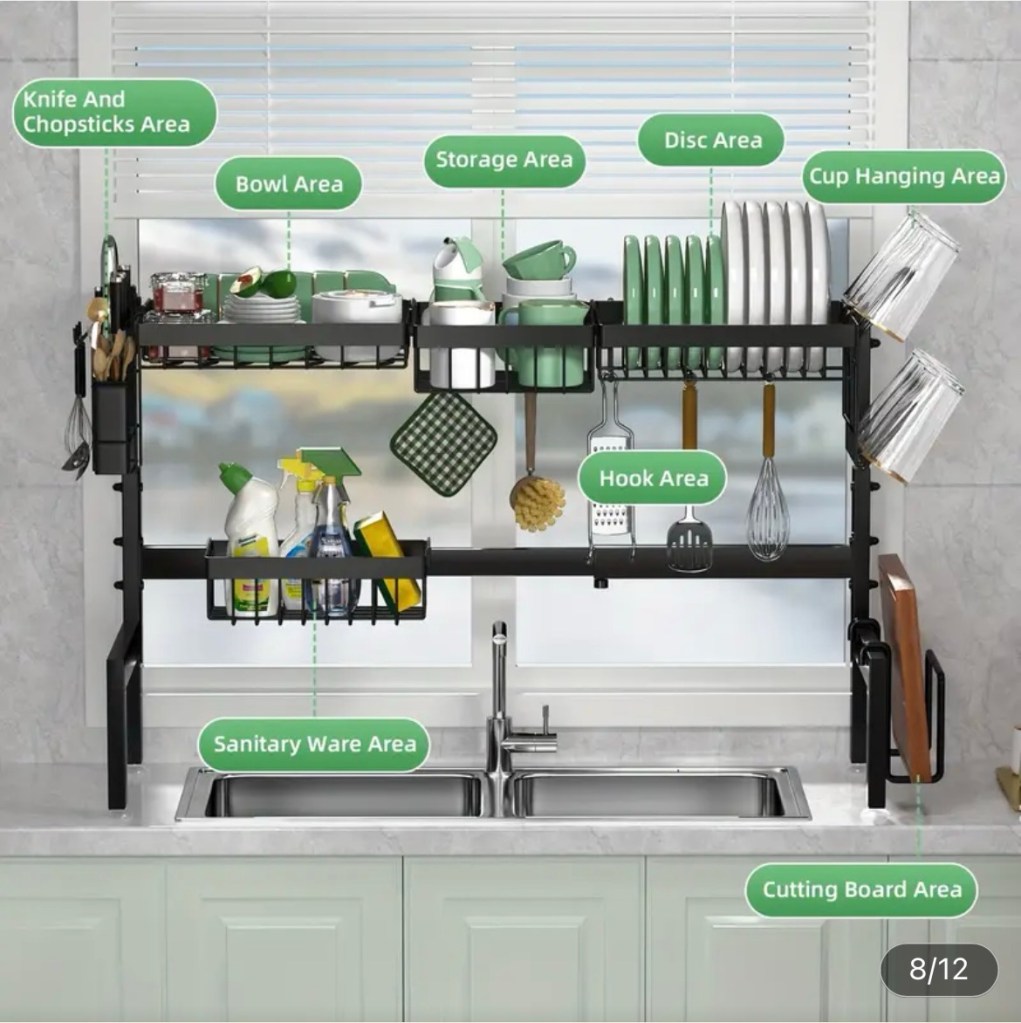
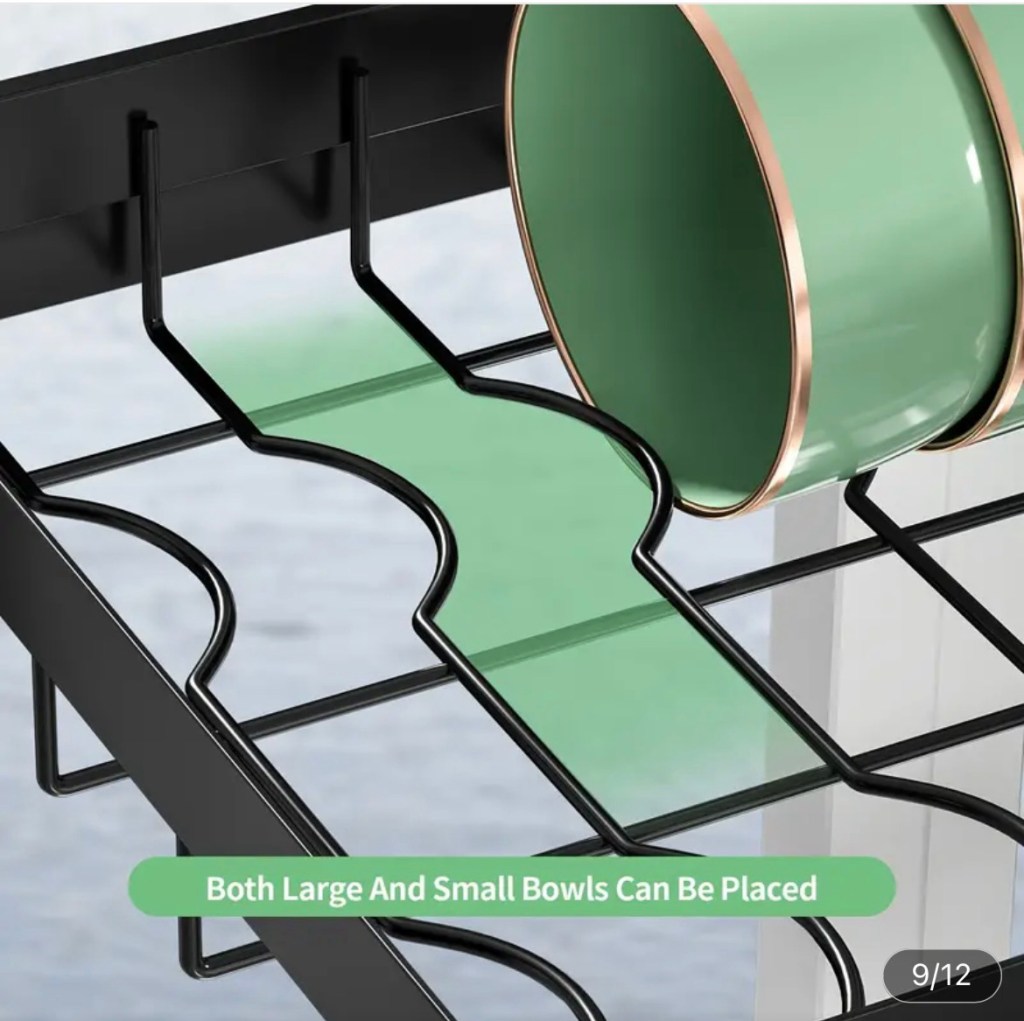
Over-sink dish racks often come with multiple tiers, utensil holders, and space for cutting boards, making them a multi-functional tool. Countertop racks tend to offer less capacity and fewer organizational features, often resulting in dishes piled on top of each other.
Over-Sink Rack: More organized with two tiers, holders for utensils, cups, and cutting boards.
Countertop Rack: Limited space for organizing different types of dishes, often overcrowded.
**Quick Tip:** If you’re someone who dries a lot of dishes at once or uses specific kitchen tools like cutting boards and utensils frequently, the over-sink dish rack’s multi-functional storage space is ideal.
—
4. Which Option is Right for Your Kitchen?

At this point, you may be wondering if the over-sink dish rack is right for your kitchen. The truth is, it depends on your needs and the layout of your space. Here are some key factors to consider when deciding between an over-sink dish rack and a traditional countertop rack:
A. Kitchen Size
If you have a small kitchen, the over-sink dish rack is a no-brainer. It allows you to make the most of your limited space by freeing up counters and keeping your kitchen feeling more open. For larger kitchens, you might prefer a countertop rack if counter space isn’t a concern, though an over-sink rack still provides the added benefit of less cleanup.
B. Frequency of Use
For households with more dishes to dry or those who cook often, an over-sink dish rack offers greater capacity and keeps everything organized. Countertop racks can work for smaller households or people who do fewer dishes, but they may quickly feel cramped if you have a large family or entertain often.
C. Style Preference
Let’s not forget style! Over-sink dish racks have a sleek, modern design that instantly adds a clean, organized look to your kitchen. If aesthetics are a priority for you, the over-sink option may be more visually appealing, especially if you want to reduce clutter and maintain a minimalist vibe.
—
5. The Cost Factor: Is an Over-Sink Dish Rack Worth It?
Price is always a consideration when upgrading your kitchen tools. Over-sink dish drying racks are typically slightly more expensive than their countertop counterparts, but that extra investment comes with added benefits that make it worthwhile.
A. Durability
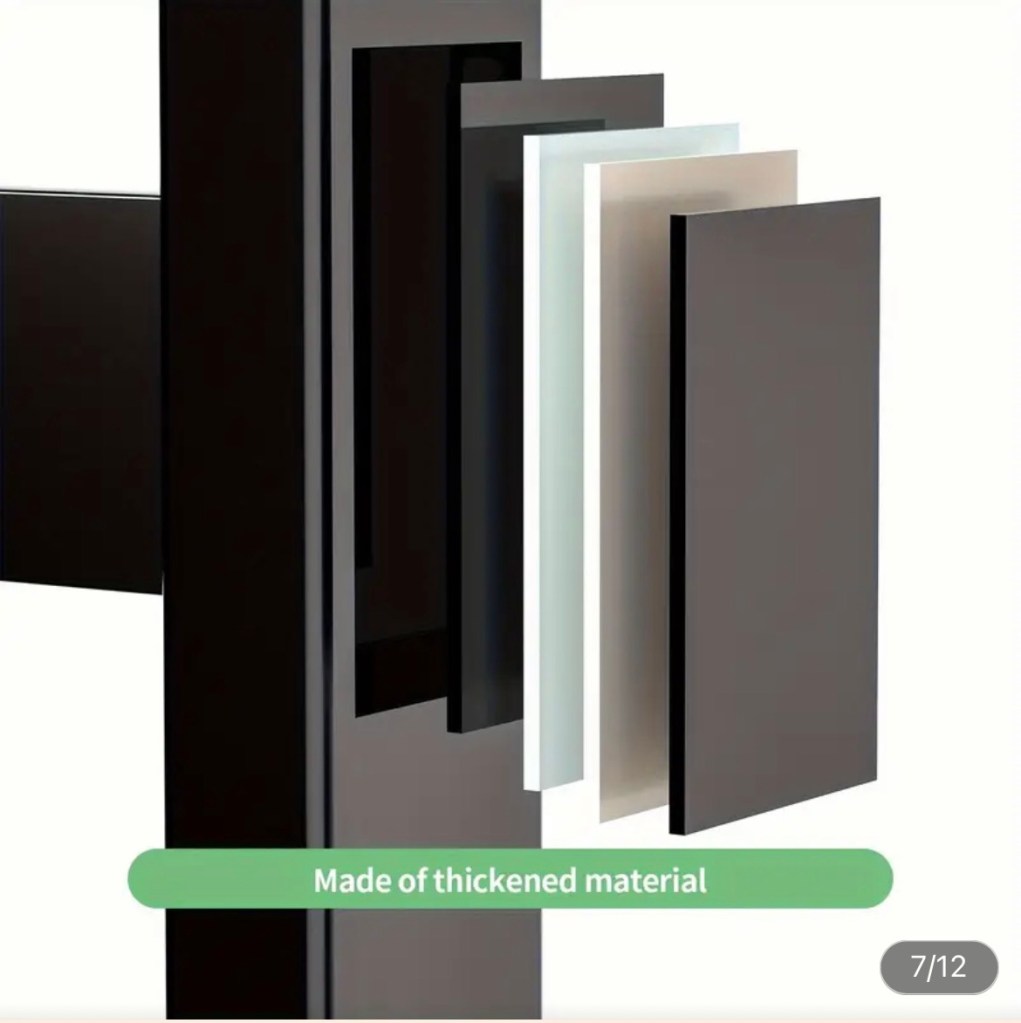
Over-sink dish drying racks are often made from high-quality stainless steel, making them rust-resistant and durable. You won’t have to replace them as frequently as plastic or lower-quality countertop racks.
B. Value for Money
While the initial cost might be higher, the long-term benefits make over-sink racks a more cost-effective choice. By saving space, reducing mess, and offering more functionality, this type of dish rack provides more value for your money.
—
6. Common Questions About Over-Sink Dish Racks
Let’s address some common concerns and questions about over-sink dish racks.
A. “Will It Fit My Sink?”
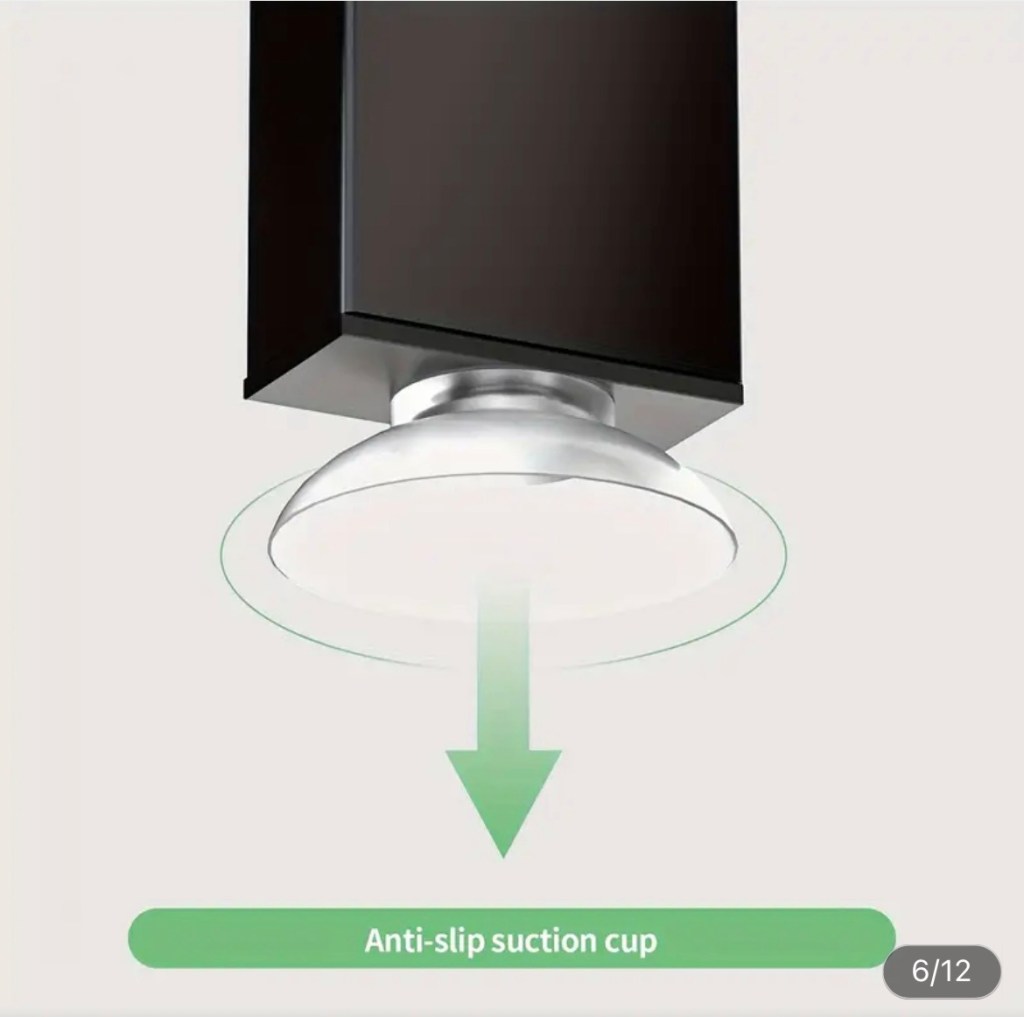
Most over-sink dish racks are adjustable, meaning they can fit a variety of sink sizes. Measure your sink’s dimensions before purchasing to ensure the rack will fit comfortably. Adjustable arms and grips also help provide a stable fit over your sink.
B. “Can It Handle Heavy Pots and Pans?”
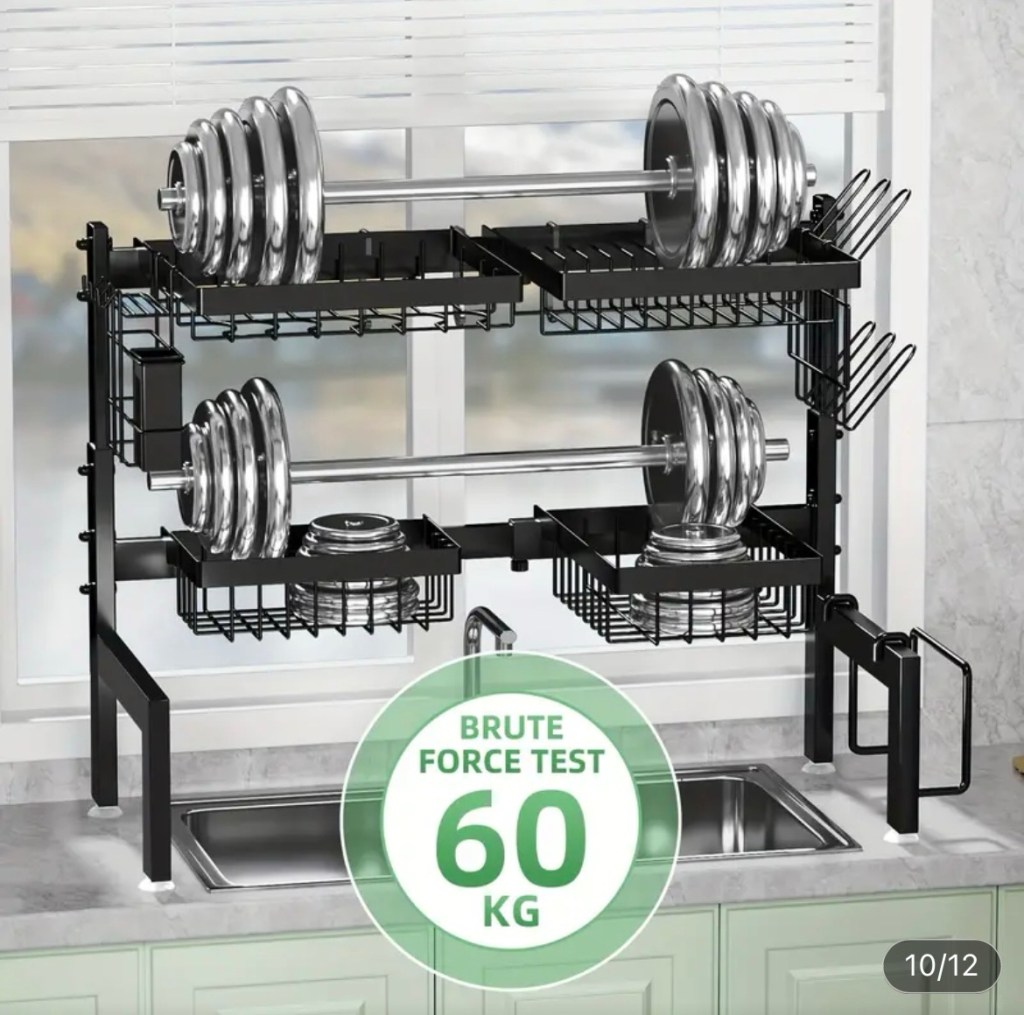
Yes! Over-sink dish racks are designed to hold a wide variety of dishes, including heavier items like pots and pans. Just make sure to place heavier items on the bottom tier to keep everything balanced.
C. “Is It Hard to Clean?”
Not at all. Most over-sink dish racks are made from stainless steel, which is rust-resistant and easy to clean. Simply wipe it down periodically, and you’re good to go!
—
7. Conclusion: Why the Over-Sink Dish Drying Rack Wins the Battle

After comparing both types of dish racks, it’s clear that the over-sink dish drying rack has the upper hand when it comes to saving space, reducing cleanup, and increasing kitchen organization. Whether you have a small kitchen or just want to maximize your available space, this modern solution solves so many of the issues that traditional countertop dish racks create.
—
 Financial Wisdom
Leave a comment