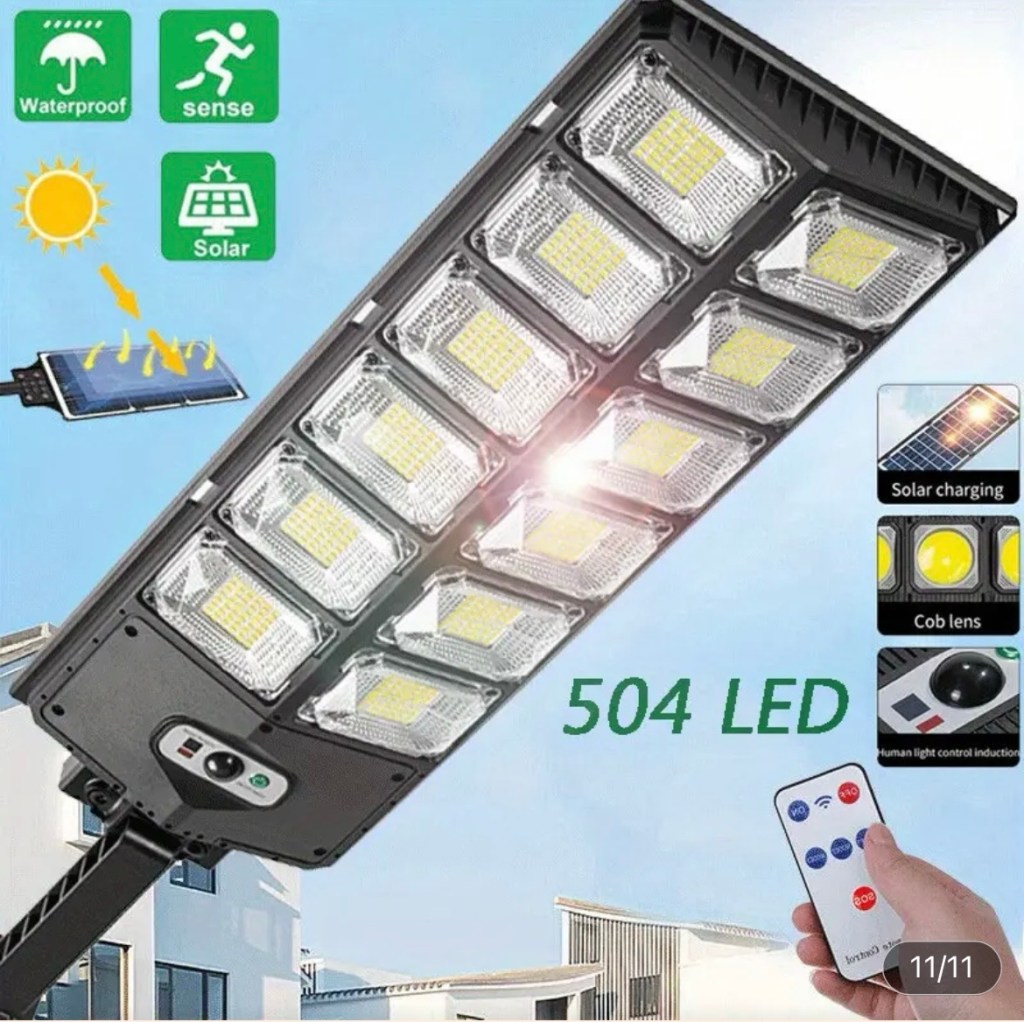

Are you tired of your solar street lights not shining as brightly as they should, or maybe you’re worried they’re not lasting as long as promised? You’re not alone. Many people invest in 100000LM solar street lights expecting brilliant, all-night illumination, only to find their lights dimming too soon or not performing as efficiently as they hoped. But don’t worry—there’s a solution, and it’s simpler than you might think! In this post, we’ll dive into some expert tips and tricks that can help you maximize the efficiency of your solar street lights. From understanding optimal placement to tweaking settings for peak performance, we’ll cover everything you need to know to get the most out of your investment.
Ready to unlock the full potential of your solar street lights? Let’s get started Today!
Understanding the Importance of Solar Street Light Efficiency
When you invest in 100000 LM solar street lights, you expect to get the most out of them—maximum brightness, longevity, and reliability. However, achieving this doesn’t just happen automatically. Efficiency in solar street lights involves several factors, from the quality of the components to the way you install and maintain them.
But why is efficiency so crucial? Simply put, efficient solar street lights ensure that you get the maximum possible light output and battery life while minimizing maintenance costs and energy waste. In other words, efficient solar lights deliver better performance and longer service life, saving you money and hassle in the long run. Moreover, in a world increasingly concerned with sustainability, optimizing the efficiency of your solar street lights aligns with broader environmental goals, reducing the need for electricity from non-renewable sources and lowering your carbon footprint.
Now, let’s delve into the specifics of how you can maximize the efficiency of your 100000LM solar street lights.
1. Optimal Placement: Location, Location, Location

The first and perhaps most crucial step in maximizing the efficiency of your 100000LM solar street lights is choosing the right location. Solar street lights rely on sunlight to charge during the day, so placing them in a spot that receives full sunlight is essential.
Avoiding Shadows and Obstructions
Ensure that your solar lights are installed in an area that isn’t shaded by trees, buildings, or other structures. Even partial shading can significantly reduce the amount of sunlight that the solar panel receives, which in turn reduces the light’s charging efficiency and its ability to stay illuminated throughout the night.
Facing the Right Direction
In the Northern Hemisphere, solar panels should ideally face south to receive the maximum amount of sunlight. If you’re in the Southern Hemisphere, aim for a north-facing orientation. This positioning allows the solar panel to absorb as much sunlight as possible during the day.
Consider the Tilt Angle

The angle at which your solar panel is tilted can also affect its efficiency. For most locations, the optimal tilt angle is equal to the latitude of your location. However, you may adjust this slightly to maximize exposure to sunlight, especially in winter months when the sun is lower in the sky.
By ensuring that your solar lights are placed in an optimal location with the correct orientation and tilt, you’ll maximize their charging efficiency and ensure they perform at their best.
2. Proper Installation: Setting Up for Success

Installation plays a vital role in how well your 100000LM solar street lights will function. Proper installation not only ensures that your lights are positioned for optimal sun exposure, but it also helps protect them from the elements, vandalism, and other potential issues.
Secure Mounting
Your solar lights should be securely mounted on a sturdy pole or structure. If the mounting is loose or unstable, the light could be knocked over by wind or vibrations, which could damage the solar panel or the light fixture itself. Use appropriate mounting hardware and follow the manufacturer’s instructions to ensure a secure installation.
Height Considerations
The height at which you install your solar lights can also impact their performance. Generally, the higher the light is installed, the larger the area it will illuminate. However, if the light is installed too high, the brightness may not be as intense on the ground. Finding the right balance between height and coverage is key to maximizing both illumination and efficiency.
Avoiding Dust and Dirt Accumulation
When installing your solar lights, consider how you can minimize the accumulation of dust, dirt, and debris on the solar panels. Dust can block sunlight from reaching the panels, reducing their charging efficiency. Installing lights in areas that are less prone to dust accumulation, or regularly cleaning the panels, can help maintain efficiency.
3. Regular Maintenance: Keep Your Lights in Top Condition

Just like any other piece of equipment, solar street lights require regular maintenance to operate at peak efficiency. By keeping up with routine maintenance, you can prevent small issues from turning into big problems and ensure your lights stay bright and reliable.
Cleaning the Solar Panels
One of the most critical maintenance tasks is cleaning the solar panels. Dust, dirt, bird droppings, and other debris can accumulate on the panels over time, blocking sunlight and reducing the amount of energy the panels can generate. Cleaning the panels every few months, or more frequently if you live in a particularly dusty area, can significantly improve their efficiency.
Checking the Battery Health
The battery is the heart of your solar street light, storing the energy collected by the solar panel during the day and powering the light at night. Over time, batteries can degrade, losing their ability to hold a charge. Regularly check the battery health and replace it if necessary to ensure your lights remain efficient.
Inspecting the Light Fixtures
Periodically inspect the light fixtures for any signs of damage, corrosion, or wear and tear. Make sure the LED bulbs are still functioning correctly and replace any that are dimming or flickering. Also, check the wiring to ensure there are no loose connections or frayed wires that could affect performance.
Software Updates
If your 100000LM solar street lights come with smart features, such as remote control or programmable settings, make sure to keep the software updated. Manufacturers may release updates that improve efficiency, add new features, or fix bugs that could be affecting performance.
4. Understanding and Managing Battery Capacity

Battery capacity plays a crucial role in the efficiency of your solar street lights. The battery stores the energy collected by the solar panel during the day, so it’s essential to understand how to manage and maximize this capacity effectively.
Matching Battery Capacity with Light Output
Ensure that the battery capacity is well-matched with the light output. If the light output is too high for the battery capacity, the lights may not last through the night. On the other hand, if the battery capacity is too large for the light output, you may be overspending on a battery that isn’t fully utilized.
Avoiding Overcharging and Deep Discharging
Overcharging and deep discharging are two issues that can significantly reduce battery life. Overcharging occurs when the battery receives more charge than it can handle, leading to overheating and damage. Deep discharging happens when the battery is drained too much before being recharged, which can also shorten its lifespan. Many modern solar street lights come with charge controllers that help prevent these issues, but it’s still important to monitor battery performance and address any concerns.
Temperature Considerations
Extreme temperatures can also impact battery performance. High temperatures can cause the battery to overheat, while very low temperatures can reduce its ability to hold a charge. If you live in an area with extreme temperatures, consider using batteries that are designed to withstand these conditions, or ensure that the battery compartment is well-insulated.
5. Maximizing Solar Panel Efficiency
The solar panel is the powerhouse of your 100000LM solar street lights, so maximizing its efficiency is key to ensuring optimal performance. Several factors can impact the efficiency of your solar panel, and understanding these can help you make the most of your investment.
Using High-Quality Panels
Not all solar panels are created equal. Investing in high-quality solar panels can make a significant difference in the efficiency of your solar street lights. Look for panels that have a high conversion efficiency, which means they can convert more sunlight into usable energy. Monocrystalline panels are generally more efficient than polycrystalline panels, although they can also be more expensive.
Regularly Cleaning the Panels
As mentioned earlier, keeping the panels clean is essential for maintaining efficiency. In addition to regular cleaning, consider using anti-reflective coatings or other treatments that can help reduce the amount of dust and dirt that accumulates on the panels.
Ensuring Proper Ventilation
Solar panels can become less efficient if they overheat, so it’s important to ensure they are well-ventilated. Proper airflow around the panels can help dissipate heat and maintain optimal performance. When installing your lights, avoid placing the panels in areas where heat could build up, such as near walls or under roofs.
Monitoring Panel Performance
Many solar street lights come with monitoring systems that allow you to track the performance of the solar panel in real-time. Use these tools to keep an eye on how well your panels are performing and to identify any potential issues before they become serious problems.
6. Smart Features and Settings: Taking Control of Your Lights

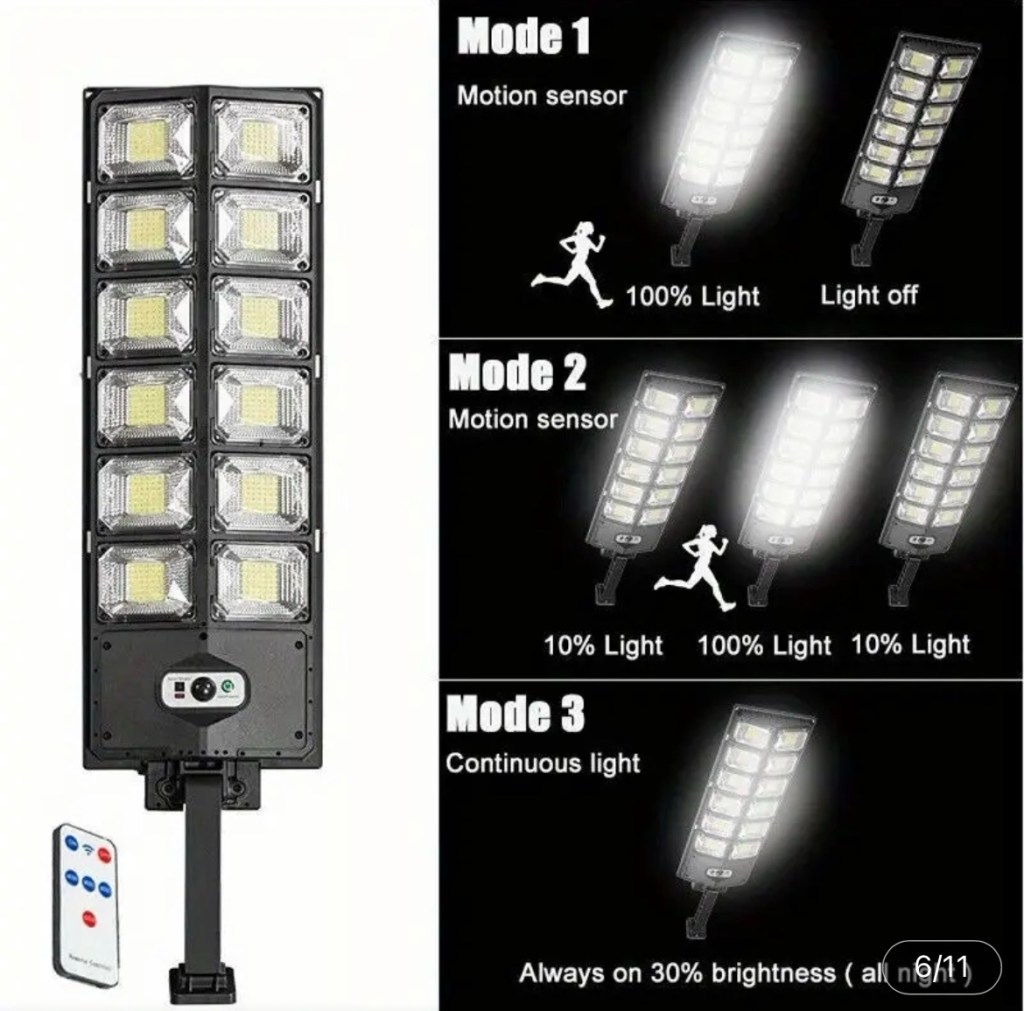
Modern 100000LM solar street lights often come with smart features that allow you to customize and control their operation. By taking advantage of these features, you can further enhance the efficiency of your lights.
Adjustable Brightness Levels
Many solar street lights come with adjustable brightness levels, allowing you to reduce the light output during certain times of the night when full brightness isn’t necessary. This can help conserve battery power and extend the life of your lights.
Motion Sensors
Motion sensors are another smart feature that can improve efficiency. By only turning on the lights when motion is detected, you can save energy and reduce light pollution. This is especially useful in areas where there isn’t a constant need for illumination.
Programmable Timers
Programmable timers allow you to set specific times for your lights to turn on and off. This can help you align the operation of your lights with the changing seasons and daylight hours, ensuring that they are only on when needed.
Remote Monitoring and Control
Some solar street lights come with remote monitoring and control capabilities, allowing you to adjust settings and check performance from a distance. This can be especially useful for managing multiple lights or for installations in remote areas where manual adjustments would be difficult.
7. Planning for Seasonal Changes

Seasonal changes can have a significant impact on the efficiency of your solar street lights. As the seasons change, so do the length of days, the angle of the sun, and the amount of sunlight available for charging your lights.
Adjusting Tilt Angle for Seasonal Sunlight
As mentioned earlier, the tilt angle of your solar panels should be adjusted according to the season to maximize sunlight exposure. In winter, when the sun is lower in the sky, increasing the tilt angle can help capture more sunlight. In summer, when the sun is higher, a flatter angle may be more effective.
Accounting for Shorter Days in Winter
In winter, when the days are shorter and the nights longer, your solar street lights will have less time to charge and more time to stay illuminated. To ensure that your lights stay on throughout the night, consider adjusting the settings to reduce brightness or use a larger battery with higher capacity.
Maintaining Performance in Cloudy Weather
Cloudy weather can also affect the performance of your solar street lights, as the panels will receive less sunlight. In areas with frequent cloudy weather, it may be beneficial to use solar panels with higher efficiency or to increase the number of panels to compensate for the reduced sunlight.
Conclusion: Unlocking the Full Potential of Your 100000LM Solar Street Lights

Maximizing the efficiency of your 100000LM solar street lights isn’t just about following a single tip or trick—it’s about taking a holistic approach that considers everything from placement and installation to maintenance, smart features, and seasonal changes. By following the strategies outlined in this guide, you can ensure that your solar street lights shine brightly, last longer, and provide reliable illumination when you need it most.
Ready to see your solar street lights perform at their peak? Start by assessing your current setup, making any necessary adjustments, and implementing the tips and tricks we’ve covered. With a little effort and attention to detail, you’ll unlock the full potential of your solar street lights, ensuring they deliver the performance and efficiency you expect.
 Financial Wisdom
Leave a comment